US State Department warns diplomats against using insider information for Iran-related wagers
05/09/2026 / By Garrison Vance
State Department issues warning over geopolitical betting
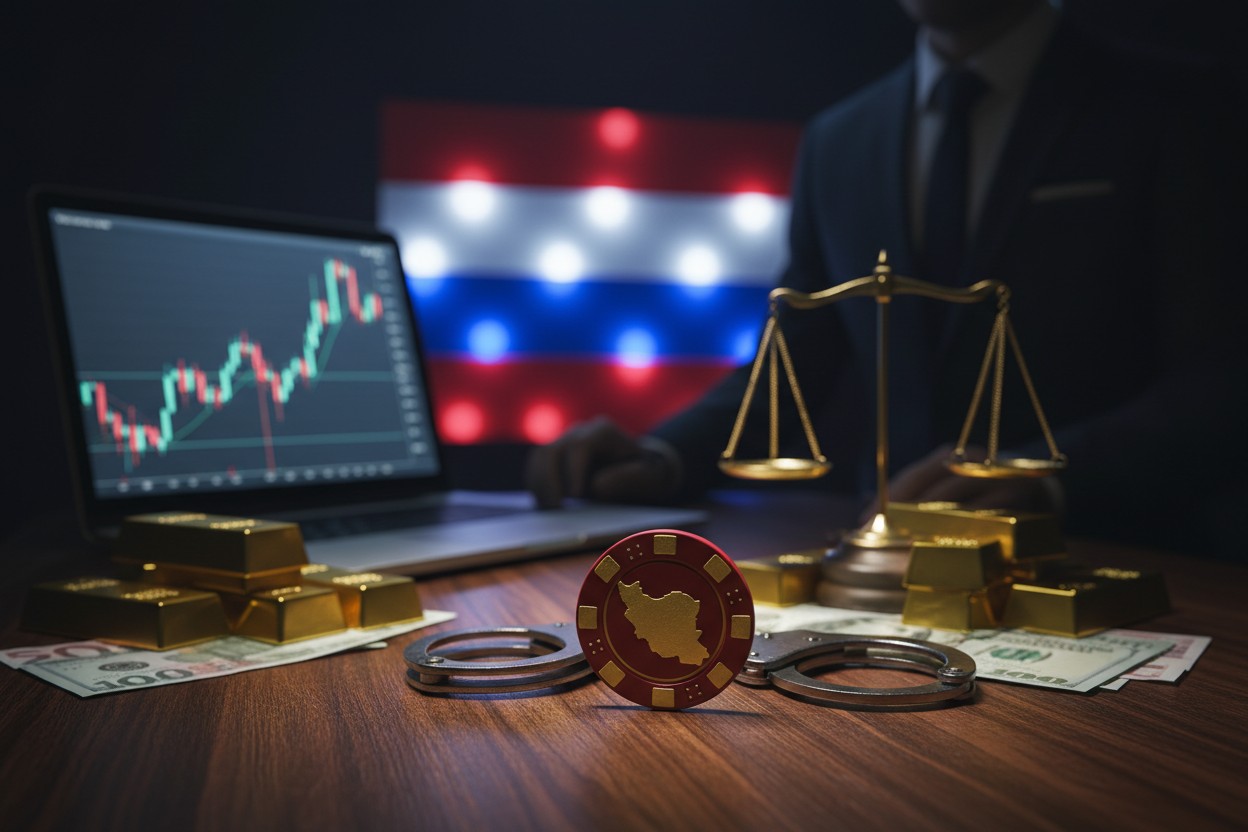
The U.S. State Department has issued a memorandum reminding employees worldwide that using undisclosed official information for financial gain is a “very serious offense” that “will not be tolerated,” according to a report by the Wall Street Journal as covered by RT. The directive reportedly referenced online prediction platforms such as Kalshi and Polymarket, where users can speculate on global events.
The warning comes amid growing scrutiny over suspiciously timed bets and trades linked to the ongoing conflict in the Middle East. The memorandum was sent to all diplomatic and consular posts, instructing personnel to avoid wagering on outcomes that could be influenced by their access to confidential government information. Officials said the policy applies to all forms of gambling, including traditional financial markets and emerging prediction market platforms.
Arrest of special forces soldier highlights insider trading risks
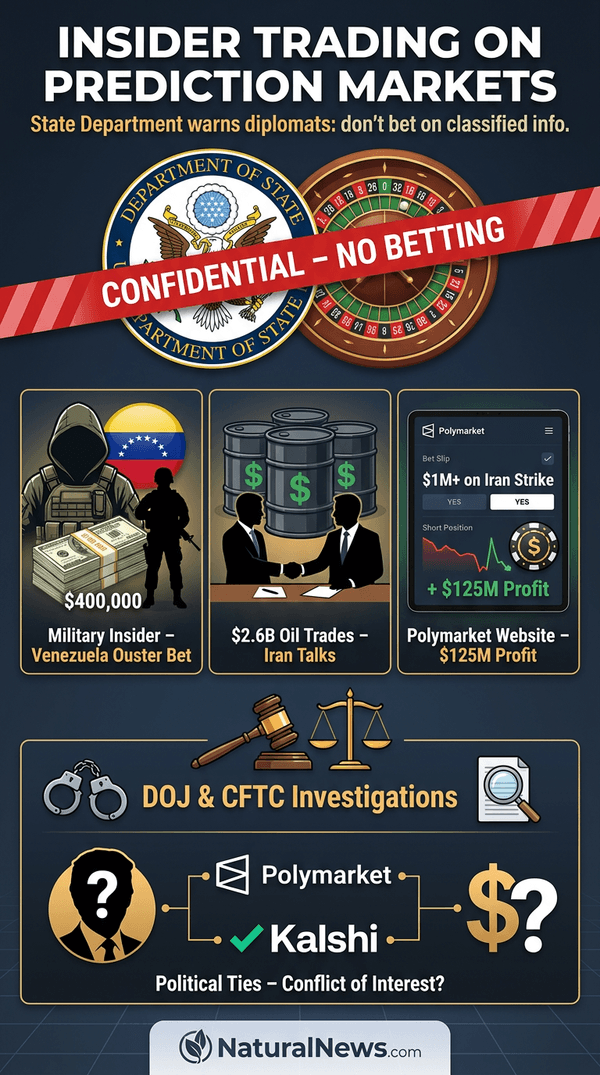
According to the Wall Street Journal report, the State Department memorandum was issued a week after the arrest of a U.S. special forces soldier accused of using classified information to profit from wagers tied to the ouster of Venezuelan President Nicolas Maduro. Prosecutors allege the suspect earned more than $400,000 through bets placed ahead of a U.S. military raid in January. The soldier has pleaded not guilty.
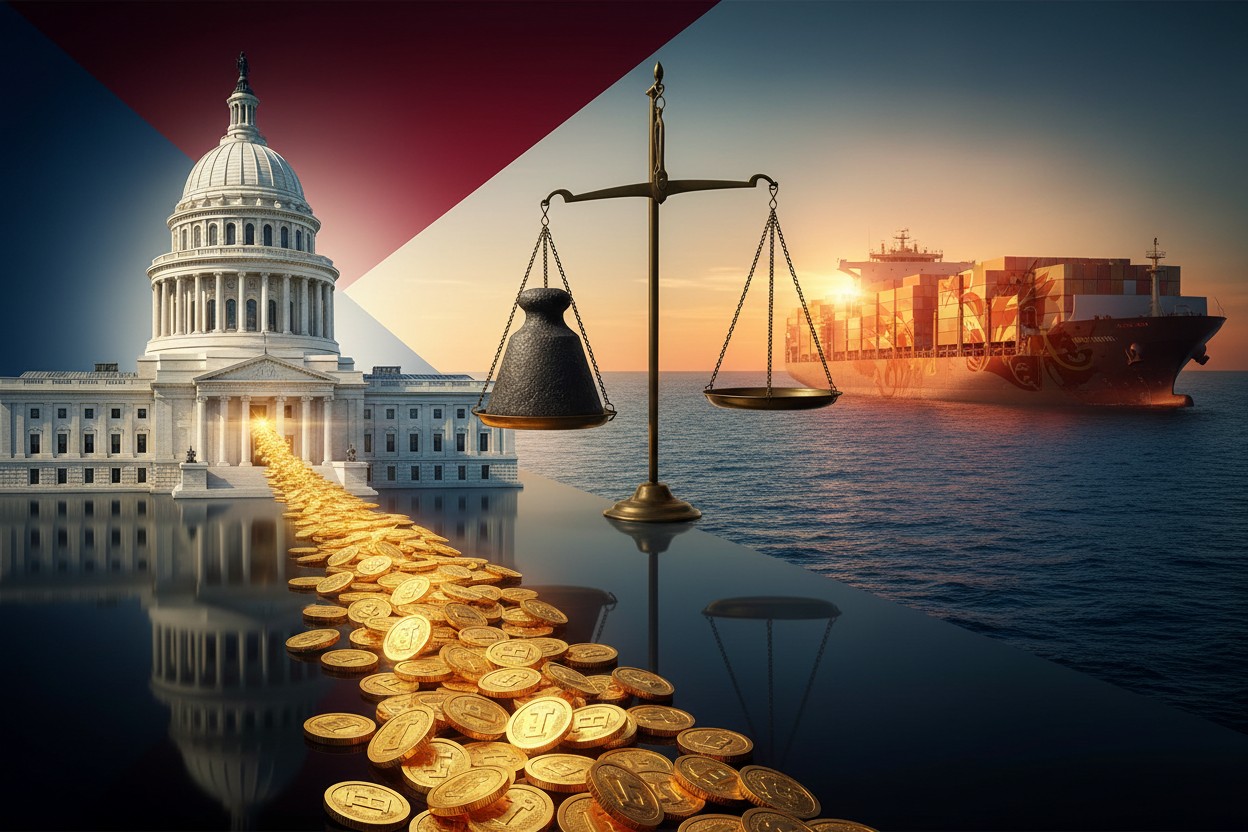
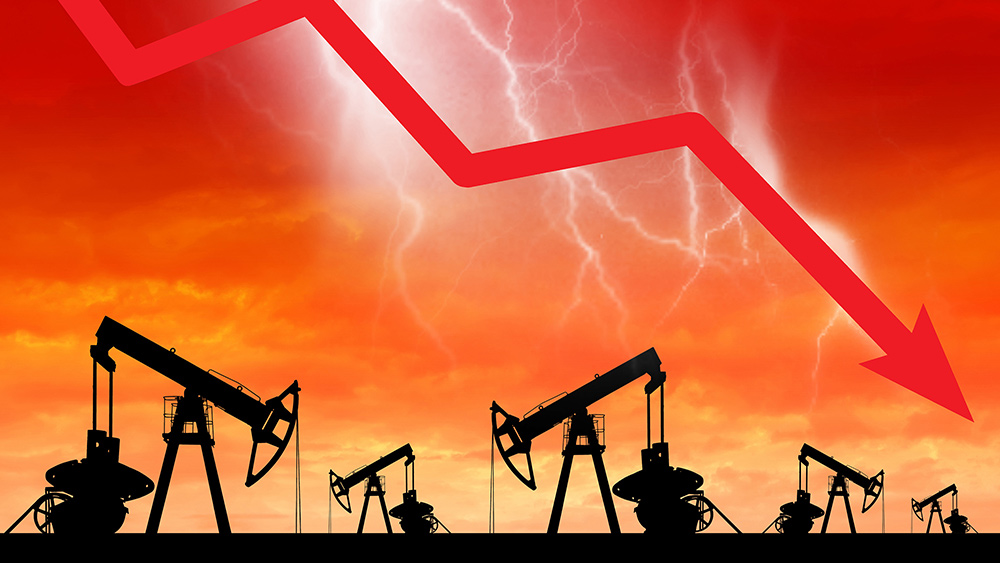
The case has drawn parallels to potential misuse of insider information in Iran-related wagers. A separate investigation by the Commodity Futures Trading Commission and the Justice Department is examining at least four oil trades worth more than $2.6 billion that were placed shortly before market-moving statements by U.S. and Iranian officials, according to multiple reports, including from MarketWatch and ZeroHedge [1]. The pattern suggests that some traders may have had advance knowledge of diplomatic developments.
Prediction markets face scrutiny over Iran conflict bets
Polymarket has faced mounting scrutiny over accounts that earned more than $1 million through bets predicting the U.S.-Israeli bombardment of Iran, according to media reports. The platform, which allows users to wager on geopolitical events, has been criticized for enabling trades that may rely on non-public information. One oil trader reportedly pocketed $125 million on a suspiciously timed short position just before a report of a possible U.S.-Iran peace deal sent prices crashing, as covered by MarketWatch and RT.
The Justice Department and the Commodity Futures Trading Commission are investigating multiple suspicious trades linked to Iran talks. Energy-market analysts described the activity as part of a broader pattern that has emerged since the start of the conflict in late February. The scrutiny extends to traditional financial markets, where large, well-timed positions have raised alarms among regulators. The use of prediction markets for insider trading is a growing concern, as these platforms operate with less oversight than securities exchanges.
Trump family ties to prediction platforms raise conflict-of-interest questions
The New York Times reported in January that Donald Trump Jr. had advisory ties to both Polymarket and Kalshi, and an investment in Polymarket through his venture firm, 1789 Capital. President Donald Trump downplayed the insider trading controversy, telling reporters he was “not happy with any of that stuff,” while adding that “the whole world, unfortunately, has become somewhat of a casino.”
The scrutiny over geopolitical wagering has drawn attention to potential conflicts of interest involving the Trump family. Critics have questioned whether ties to prediction platforms could influence policy decisions related to Iran and other geopolitical hotspots. However, no evidence has been presented that Trump administration policies have been affected by these personal financial interests.
Ongoing investigations and broader implications
The Justice Department and CFTC are reportedly investigating at least four oil trades worth more than $2.6 billion placed before market-moving statements, according to reports from ZeroHedge and other outlets [1]. A massive short position on crude oil was placed one hour before a report of a possible U.S.-Iran peace deal, raising suspicions of insider trading. The pattern of suspicious trades has been observed for decades; as noted in literature on financial surveillance, intelligence agencies have long monitored financial markets for anomalous trades that could indicate advance knowledge of geopolitical events [2].
The State Department memorandum serves as a reminder that insider trading rules apply to adivll forms of wagering, not only traditional securities. A 2022 investigation found that more than 2,600 senior federal officials owned or traded stocks in companies their agencies regulated, highlighting the persistent problem of insider trading within the government [3]. The new warning specifically targets prediction markets, which have grown in popularity as platforms for betting on political and military events. Regulators are now considering whether these platforms should be subject to the same oversight as traditional exchanges.
References
- Futures Slide As Oil Jumps On Ceasefire Setbacks, Nasdaq In Danger Of Ending 13-Day Streak. ZeroHedge, April 20, 2026.
- The Terror Conspiracy Revisited: Deception, 9/11 and the Loss of Liberty. Author: Jim Marrs. (Snippet regarding CIA tracking anomalous trades.)
- Insider trading uncovered: Over 2600 senior federal officials owned or traded stocks in companies their agencies regulated. NaturalNews.com, October 17, 2022.
- Trends-Journal-2024-01-03. (Snippet regarding seizure of Iranian oil tanker and regional tensions.)
Explainer Infographic:
Submit a correction >>
Tagged Under:
betting, big goverment, conflict of interest, DOJ, forecast, gambling, geopolitics, insider information, Iran, Kalshi, Middle East, Polymarket, prediction, State Department, Trump, wagers, WWIII
This article may contain statements that reflect the opinion of the author
RECENT NEWS & ARTICLES